EV Loan Rejected? 7 Real Reasons Banks Say No & What to Do Next
Lakshay Khanna·23 June 2026
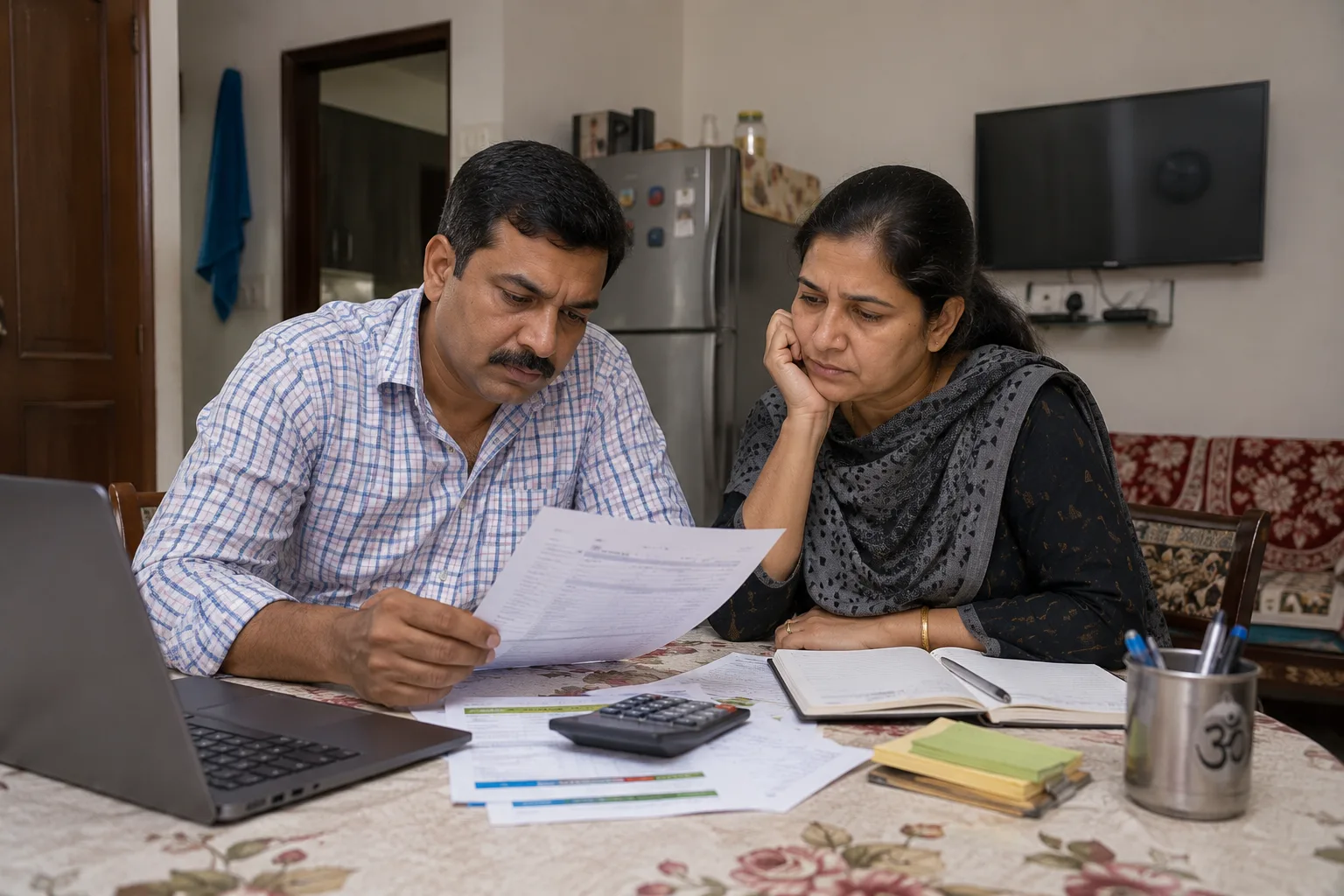
A guy named Manish from Karnal messaged me last week. Friend of a friend.
He'd been rejected twice by HDFC for an EV loan. Wanted to buy an Ola S1 Pro. Second time he got rejected, the executive didn't even tell him why. Just "approval nahi hua sir."
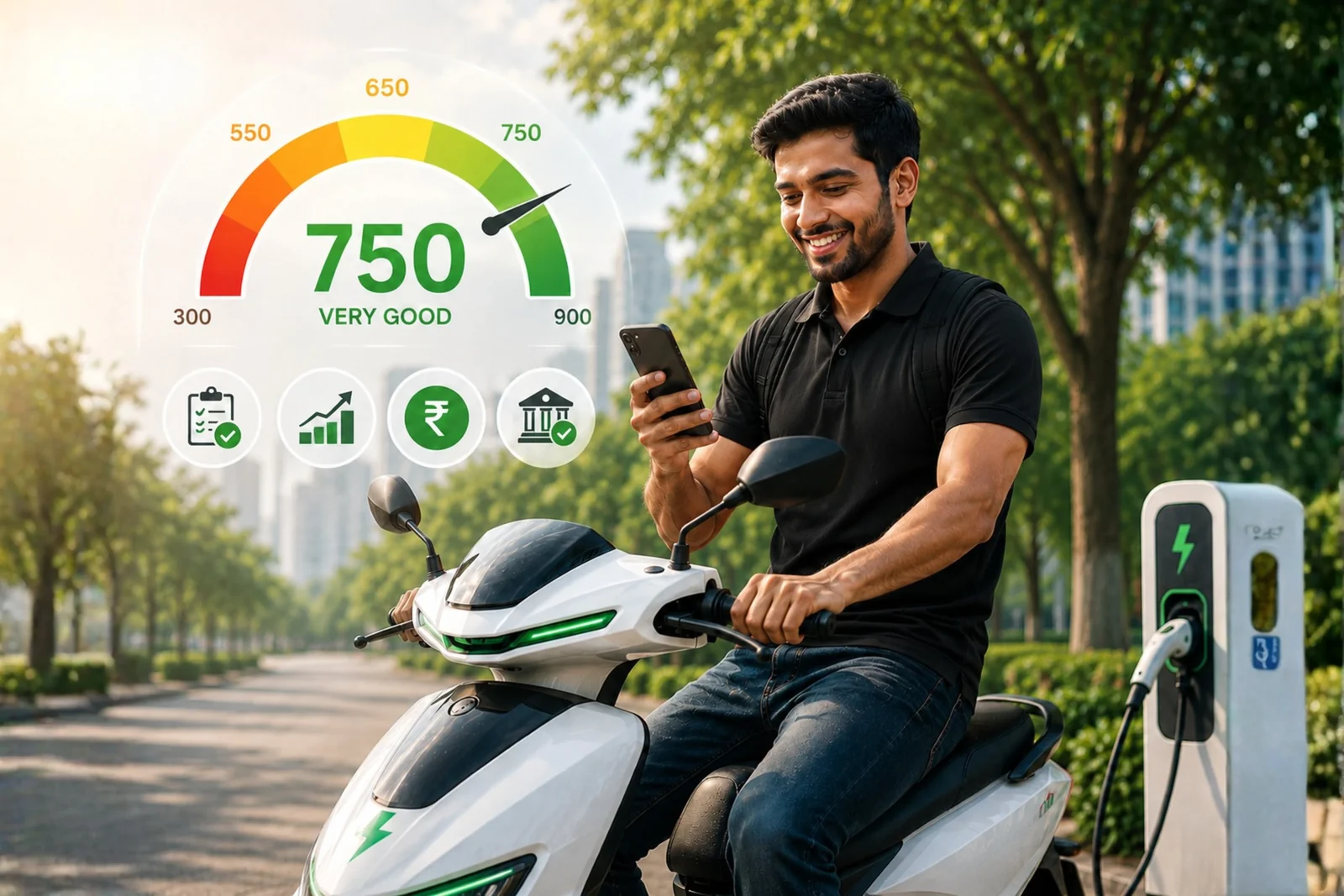
He sent me three things: his CIBIL (729, perfectly decent), his salary slip (Rs 38,000 a month at a small CA firm), and a confused emoji.
I asked one question. "Kitne loan apply kiye hain pichle 30 days mein?"
He'd applied at five banks in eighteen days. HDFC, ICICI, Axis, Bajaj, Tata Capital. Each one a hard CIBIL inquiry. After three, his score dropped to 689. After five, 671.
He didn't know any of this. Just kept applying because the previous rejection felt like a fluke. His CIBIL went from "easy approval" to "marginal" in two and a half weeks. Banks weren't saying no to him. His own behaviour was making him look unfundable.
This is the most common EV loan rejection pattern in India right now and almost nobody recognises it. So here are the seven actual reasons EV loan applications get rejected, with what to do about each. (If you haven't applied yet, read our get-approved-first-try guide before you do — it prevents most of this.)
Already rejected at a bank?
Credifin underwrites the profiles banks can't — self-employed, gig workers, cash income, multi-rejected. Bank-statement-based assessment, decision in 3 to 7 days, pan-India.
Apply with Credifin →The 7 reasons at a glance
| Reason | Quick Fix |
|---|---|
| 1. Applied at too many lenders too fast | One bank + one NBFC, then wait 60-90 days |
| 2. CIBIL under 700 with a current default | Clear defaults, wait 3 months, then apply |
| 3. Bank statement looks risky | Clean it 6 months before applying |
| 4. Existing EMIs already too high | Foreclose small loans or add a joint borrower |
| 5. Changed jobs recently | Wait 6 months, or go NBFC |
| 6. Aadhaar address doesn't match | Free Aadhaar address update, 10-15 days |
| 7. Income type banks can't underwrite | Go to an NBFC built for your profile |
Manish's case. Hard inquiry stacking. Each application = 5-10 CIBIL points off. Stack four or five and you've engineered your own rejection.
Pick ONE bank, ONE NBFC. Apply parallel. Wait. If both reject, take 60-90 days off and let the score recover. Hard inquiries fade after 90 days.
The "I'll just try at five banks and see who approves" strategy is the single biggest self-sabotage move in the Indian retail loan market. Sounds smart, isn't. The one-bank-one-NBFC discipline is covered in detail in our EV loan approved first try guide.
A Rs 5,000 BNPL default, an unpaid Simpl bill, anything. It shows up. Most banks hard-cutoff at 700. NBFCs go lower but price the risk in. The bigger issue is DPD (Days Past Due) marks. Even one "90+ DPD" in the last 12 months and your file faces friction at most banks.
What to do: pull your CIBIL report yourself. Check for active defaults and DPD markers. Clear what you can clear. Wait three months for the update to reflect. Then apply. Our CIBIL improvement guide covers the full playbook, and CIBIL score for EV loans shows what each band actually gets you.
Watch for "closed but still showing open" loans. Especially Bajaj and Tata Capital — closures sometimes don't update on CIBIL. Call the lender, request a closure update letter, follow up till the report reflects.
Most buyers don't think about this. The lender isn't only checking inflows. Outflows tell their own story. Stuff that flags: regular outflows to Dream11, Rummy Circle, MPL (two-three a month is fine, weekly isn't); a cheque bounce, even one in the last 6 months; an EMI auto-debit failure, even one; end-of-month balance crashes — if you're under Rs 1,000 every 28th-29th, lenders read this as financial capacity already maxed.
Fix: clean the bank statement 6 months before you plan to apply. Maintain a buffer balance. Don't let auto-debits fail. Reduce gambling app usage. Build a 6-month statement that looks responsible.
People sometimes try to fake the cleanup with lump-sum transfers right before month-end. Doesn't work anymore. Banks have pattern-detection systems now. They notice.
Standard rule: total EMIs (current + new) shouldn't exceed 50-55% of monthly take-home. Take-home Rs 60,000, existing EMIs Rs 18,000, then your new EMI ceiling is roughly Rs 15,000. Push past that and banks reject.
Three options to fix: reduce existing EMI burden (foreclose smaller loans, clear credit card balances), pick a cheaper EV with smaller EMI, or add a joint borrower (spouse, family) to combine incomes. The joint borrower route is underused. If your spouse earns and has decent CIBIL, applying jointly often gets you a higher sanction at a better rate.
Most banks want 6 months minimum at current employer. Some want 12. Classic story: someone gets a 30% raise at a new job, immediately walks into a Tata showroom for a Nexon EV, gets rejected at HDFC because they've been in the new role 3 months.
Wait it out is the boring answer. 6 months from joining date is when banks soften. If you can't wait, NBFCs are flexible. They'll accept 3-month employment if the company is reputable and your previous job was long-tenure. Rate may be 1-2% higher than the post-6-month rate.
This rejects an embarrassing number of buyers. Living in a rental in Sector 14 Gurgaon, Aadhaar still shows the village address from college days. Bank wants address proof to match Aadhaar. Rejected.
Free fix. Any Aadhaar enrolment centre, or update online on the UIDAI portal. Submit your current address proof (electricity bill or registered rent agreement), wait 10-15 days, done. For anyone who's moved across states for work, do this even if you're not actively applying for a loan — and check our EV loan documents checklist so nothing else trips you up.
The big one. The frustrating one. Because it feels personal but isn't. If you're salaried with monthly salary slips, banks love you. Self-employed with clean ITR showing real income, banks underwrite, slightly slower. But self-employed with ITR showing Rs 3 lakh while your bank statement shows Rs 9 lakh in turnover? Bank sees the ITR. Rejects. A Zomato rider with Rs 25k monthly payouts? The bank's underwriting system has no template. Rejects. Cash income shopkeeper in a bazaar? Rejects. (Specifically an e-rickshaw operator? That profile has its own rejection playbook.)
These aren't bad borrowers. The bank's template just doesn't know how to score them. Branch executives can override sometimes but mostly they don't bother.
Fix: stop applying at banks. Go straight to NBFCs that have built underwriting around your profile type — our EV loan for self-employed guide covers it. Rate will be 2-4% higher than what a salaried borrower gets at a bank. Pay it. Move on. That's the cost of being "non-standard". (If you want bank rates in future, talk to your CA about restructuring your ITR via the Income Tax portal to better reflect actual income. You'll pay more tax. You'll also build a credit profile banks can read. Trade-off.)
What to do right after getting rejected
Three steps. In order.
They're obligated to give a category if you push. It doesn't have to be detailed but should at least say "low CIBIL" or "EMI ratio" or whatever the trigger was.
Free once a year. Find the actual issue. Sometimes the rejection was for something you didn't know existed — an old loan still showing open, a forgotten BNPL default, whatever.
Inquiries fade. Score recovers. Use the time to fix the underlying issue.
Manish, the second half
Continuing his story. Step one: he stopped applying. No more bank visits, no more "ek aur try karte hain."
Step two: pulled his CIBIL. Found something he didn't know existed. A 2019 Bajaj Finserv personal loan he'd closed in 2021 was still showing as "open" with zero outstanding. Just hadn't been updated. Called Bajaj's helpline. Requested closure update. Took six weeks for CIBIL to reflect.
Step three: waited 90 days total. CIBIL recovered from 671 back to 715.
Step four: applied at HDFC (his salary bank) AND Credifin in parallel. HDFC approved at 13.5%. We quoted 16%. He took HDFC. EMI on Rs 1.2 lakh, 30 months: Rs 4,775. Disbursal in 4 working days.
The fix wasn't dramatic. It was knowing what was wrong, then giving it space to be wrong less. His text after: "Bhai sab kuch saaf ho gaya. Pehle samjha tha mera profile bekar hai. Asal mein 5 banks ke chakkar mein khud bekar bana liya tha."
This is the whole story of EV loan rejection in India. People aren't bad borrowers. They apply badly. There's a difference.
Rejected because of inquiry stacking or a non-standard profile? That's underwritable. Credifin looks at the real creditworthiness, not just the recent score.
Check Your EV Loan →Credifin for rejected applicants
Most of the people who come to us have already been rejected somewhere. That's the structure of the market.
Rates 13 to 17 percent typically. Online application. Decision 3 to 7 days.
FAQs
Why was my loan rejected even with good salary?
Most common: multiple recent applications hurting CIBIL, address mismatch with Aadhaar, high EMI burden, or job tenure under 6 months.
When can I reapply?
60-90 days minimum. Inquiries fade after 90 days.
Will the rejection drop my CIBIL more?
The rejection itself doesn't. The application did (a hard inquiry). Multiple rejections mean multiple inquiries stacking.
CIBIL below 700?
Yes, through NBFCs. Banks rarely lend below 700. NBFCs go to 650, or 600 with a guarantor.
ITR shows low, real income higher?
Restructure future ITRs, or apply through NBFCs that underwrite on bank statement turnover.
Bank or NBFC after rejection?
If the reason was profile-fit, NBFC. If the reason was fixable (CIBIL, address, tenure), fix it and try a bank again.
Does a guarantor help?
Yes, significantly. Especially for first-time or low-CIBIL applicants.
Can I see why I was rejected?
Ask in writing. The bank gives a category. Pull your CIBIL to see what they actually saw.
Is a rejection permanent?
No. The hard inquiry fades in 90 days. You can absolutely get approved at a different lender after waiting.
Ready to apply?
Rejected at a bank? Apply with Credifin online. We underwrite the profiles banks can't — self-employed, gig workers, cash income, multi-rejected. Bank statement-based assessment. 3-7 day decision. Pan-India.
Apply for an EV LoanThis might catch your interest