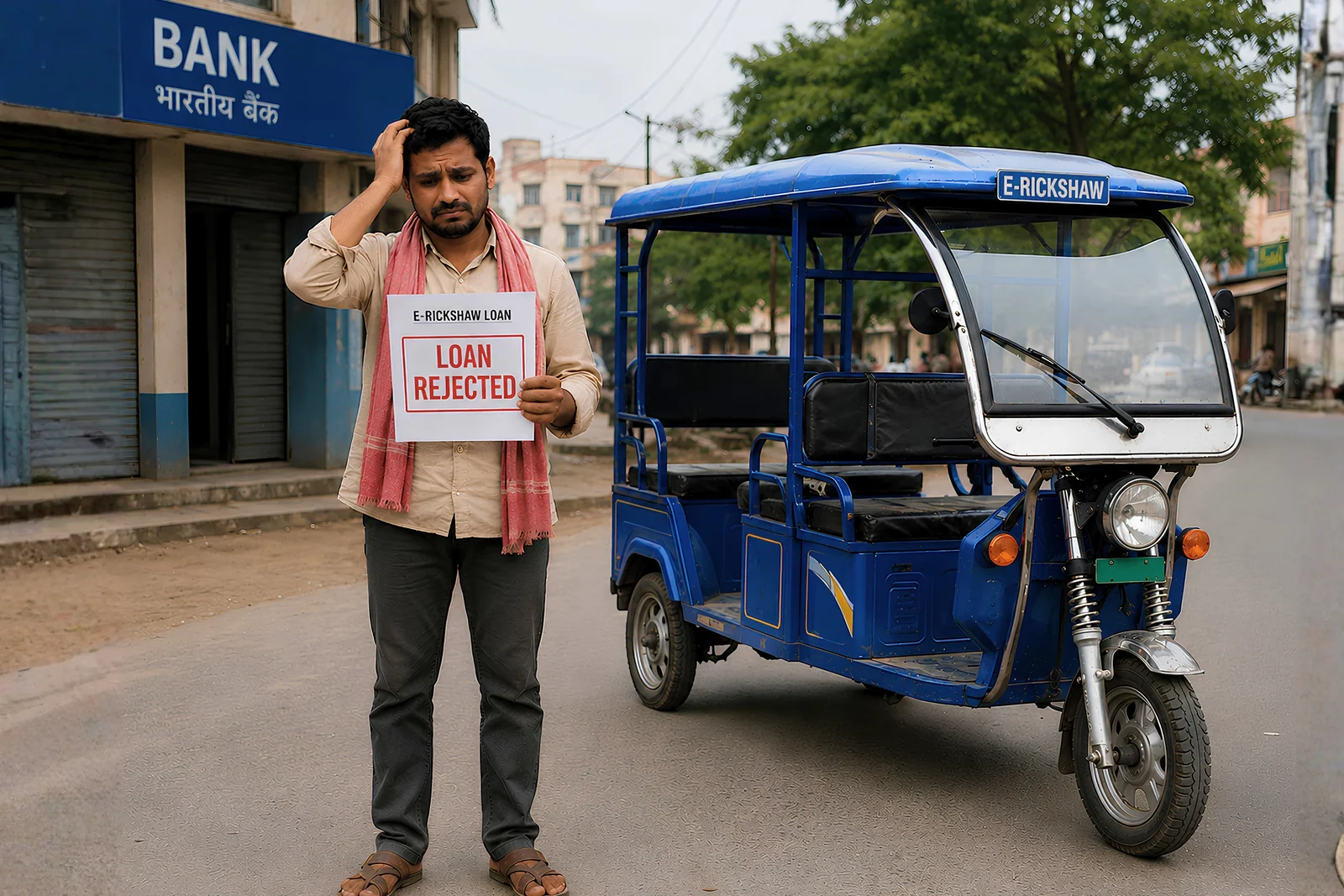
CIBIL Score for EV Loans: What Number You Actually Need
Lakshay Khanna·07 June 2026
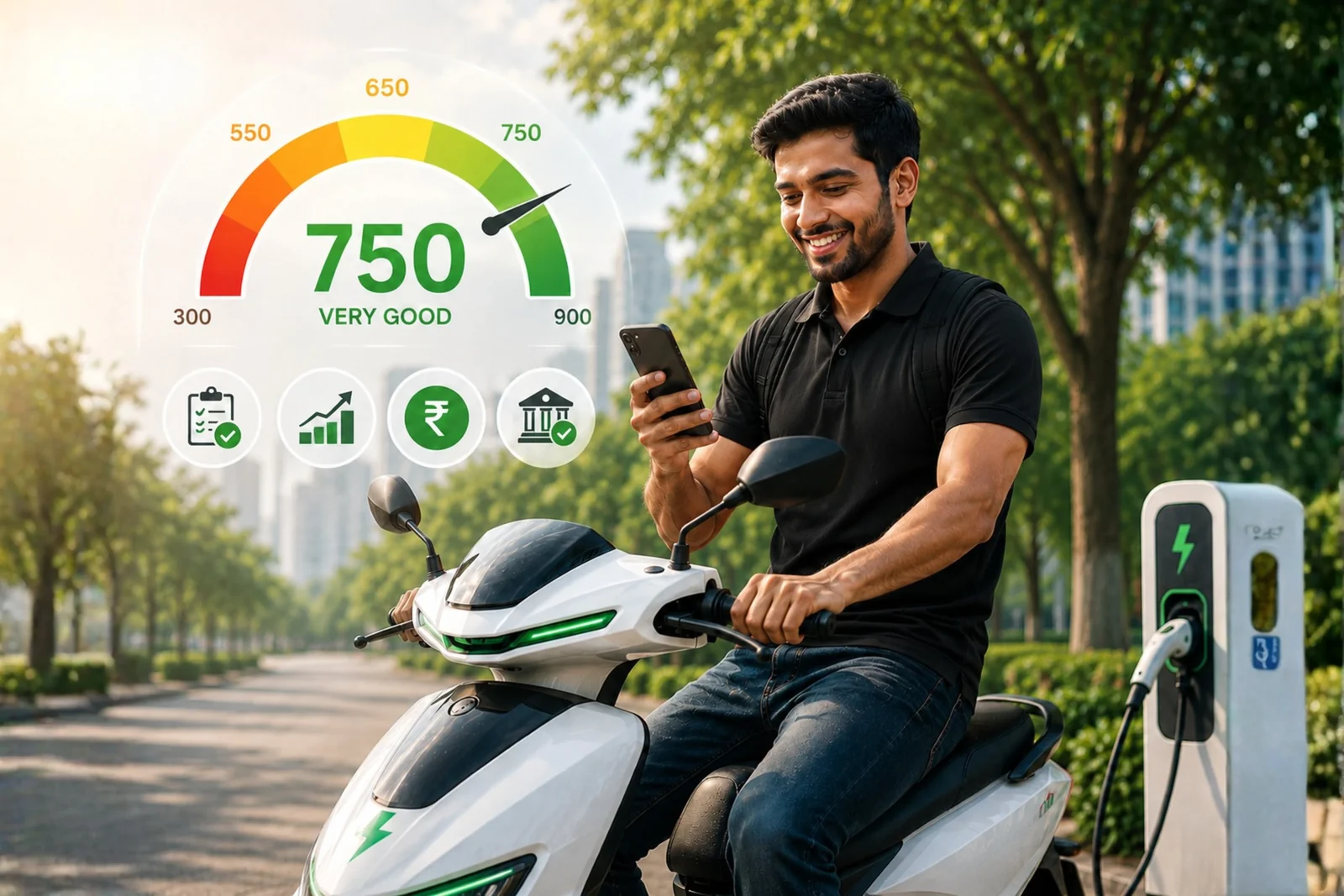
Someone messaged me last week in a mild panic. "Bhai mera CIBIL 690 hai, EV loan milega ya nahi?"
Short answer I gave him: yes, you'll get one. Just not at the rate a 780 guy gets, and probably not from the same lender.
He was relieved and confused at the same time. Because the internet had told him 750 was some magic pass-fail line, below which you're doomed. That's not how it works at all. CIBIL isn't a gate. It's a dial. It moves your rate up and down, and only at the very bottom does it actually shut a door.
So let me explain what your number actually means for an EV loan, what each band gets you, and what to do if yours is lower than you'd like.
What CIBIL even is, quickly
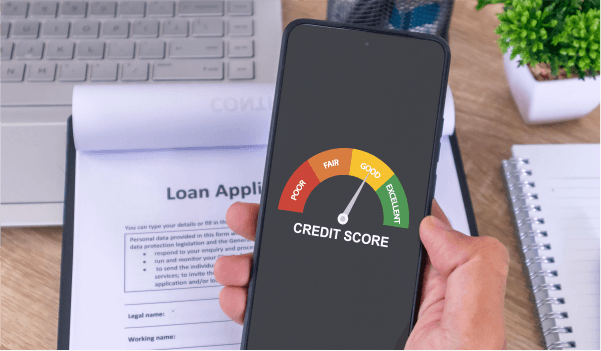
It's a three-digit score from 300 to 900 that sums up your credit behaviour. How reliably you've repaid past loans and cards, how much credit you're using, how long your history is, how many recent inquiries you have.
Higher means lower risk to a lender. That's the whole concept. A lender looks at your score and decides two things: whether to lend at all, and at what rate. The score doesn't decide for them, it just heavily influences them.
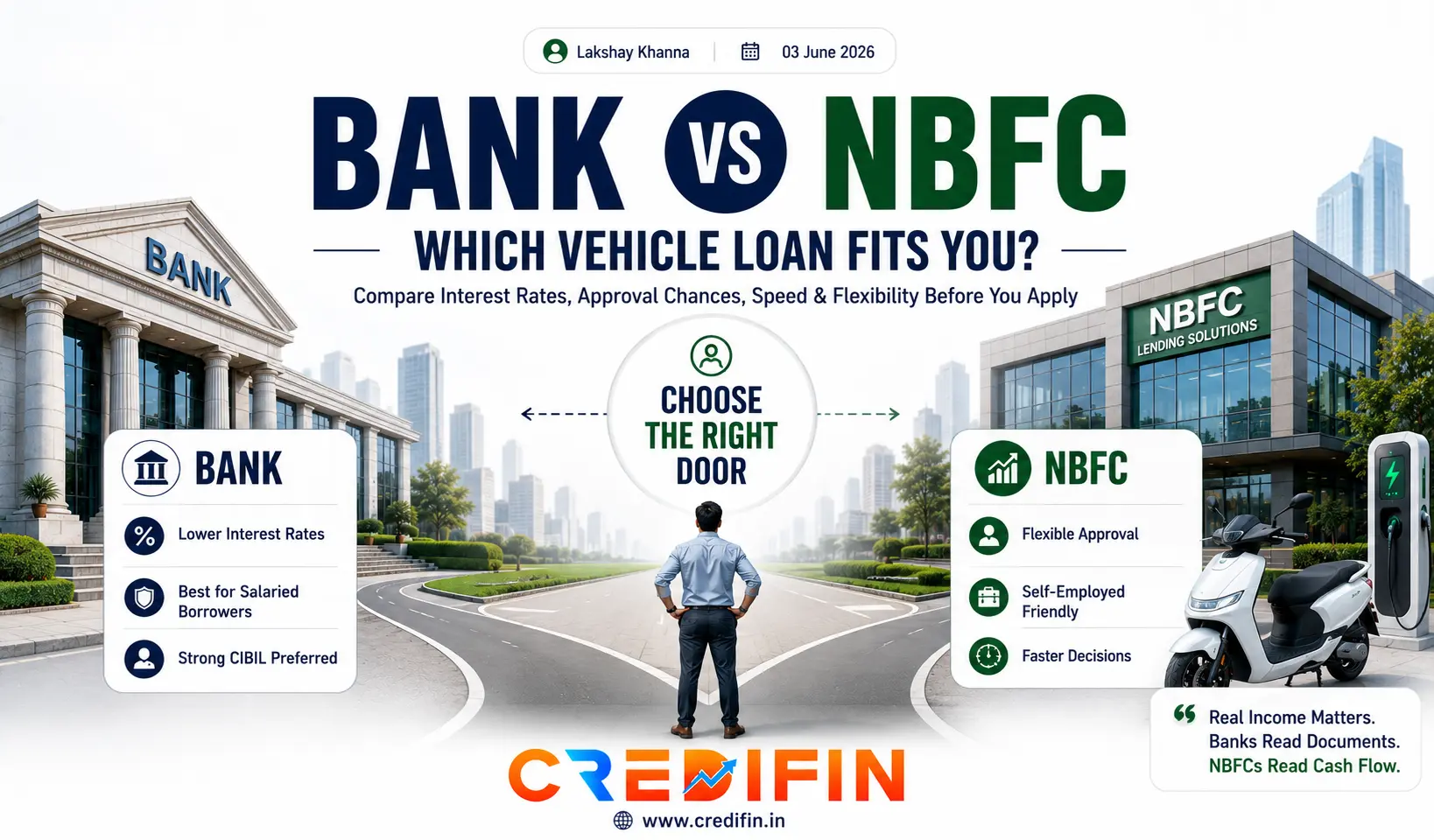
And here's the thing people forget: there's no single national cutoff. Each lender sets its own. A bank might draw the line at 720. An NBFC might lend at 650. Same you, same score, different answers depending on the door. Our bank vs NBFC decision guide breaks down exactly which door to walk through.
What each CIBIL band actually gets you
Here's the real picture for EV loans today:
| CIBIL Band | What It Means | Likely Outcome | Rate Range |
|---|---|---|---|
| 780 to 900 | Excellent | Best rates, any lender, easy approval | 12% to 13.5% |
| 750 to 780 | Very good | Strong approval at banks | 12.5% to 14% |
| 700 to 750 | Good | Approved, slightly higher rate | 13% to 15% |
| 650 to 700 | Fair | Banks hesitate, NBFCs approve | 15% to 17% |
| 600 to 650 | Weak | NBFCs with guarantor or higher down payment | 16% to 19% |
| Below 600 | Poor | Hard, needs guarantor and repair first | 19%+ |
The guy with 690 sits in the "fair" band. Banks would hesitate, an NBFC would approve him around 15 to 16 percent. Not the cheapest money, but very much a yes. His panic was about a cutoff that doesn't exist. If you're a delivery rider or other no-slip profile, the same band still works through an NBFC — see our EV loan for delivery riders guide.
The number isn't the whole story
This is the part that surprises people. Two applicants with the same CIBIL can get completely different outcomes, because lenders look past the headline number at what's underneath it.
A 720 with one recent default marked "settled" reads worse than a clean 700 with no blemishes. The settlement flag spooks lenders more than the slightly lower score.
A 730 with five hard inquiries in the last month reads worse than a 730 with none. The inquiries suggest you're desperate for credit, applying everywhere.
A 710 with a healthy bank balance and steady income beats a 740 whose account scrapes zero every month end. The behaviour around the score matters as much as the score.
So don't fixate purely on the three digits. The pattern behind them is half the decision.
What CIBIL actually weighs — at a glance
| Factor | Weight | What this means in practice |
|---|---|---|
| Payment history | ~35% | Never miss EMIs or card dues — biggest single lever |
| Credit utilization | ~30% | Keep card usage under 30 percent of the limit |
| Length of credit history | ~15% | Don't close your oldest card; older history helps |
| Credit mix | ~10% | Healthy mix of loans + cards beats only one type |
| Recent inquiries | ~10% | Don't bunch up applications; space them out |
Back to the guy with 690
He stopped panicking, first of all. Then he pulled his report. Found a credit card he'd closed two years ago still showing active with a small overdue marker, which was unfairly weighing on his score. He sorted it out with the bank, and while waiting for it to update, he applied through an NBFC and got his EV scooter loan approved at 15.5 percent.
Not the dream rate. But he got the scooter, started saving on petrol immediately, and his clean repayment on this loan plus the corrected card error should push him comfortably past 730 within the year. Next vehicle, he's a bank customer like SBI at 13.
He texted me after. "690 pe bhi ho gaya, aur agli baar sasta milega." Right. The score is a dial you can turn over time, not a wall you're stuck behind.
A quick rate reality check
Across all the bands, EV loan rates currently fall in a 12 to 19 percent working range. Top scores hug the bottom of that band, weaker scores sit nearer the top, and below 600 you're usually looking at a guarantor plus the higher end. Knowing your band tells you roughly what's fair, so you can spot when a quote is out of line. The full rate picture by profile is in our EV loan India guide.
Where Credifin fits
We're an NBFC, so we lend across most of the CIBIL spectrum, not just the top. People in the 650 to 720 band, exactly where banks get twitchy, are a big part of who we approve. Self-employed borrowers in that band — where ITR understates real income — often find a sharper rate with us than with a bank; the full picture is in our self-employed EV loan guide.
We also look beyond the raw number at your bank statement and income stability. A 700 with a clean, steady account is a yes for us even when a bank hesitated. And if your low score is from a fixable error like that closed-card glitch, we can often see the real picture underneath. Rates land 13 to 19 percent depending on profile and band, decision in 3 to 7 working days.
Bottom line
There's no magic CIBIL cutoff for an EV loan. 750-plus gets you the cheapest rates at banks. 650 to 720 gets you approved at an NBFC, a bit higher. Below 600 needs a guarantor and ideally some repair first. The number is a dial on your rate, not a locked gate, except right at the bottom.
If your score's lower than you'd like, don't panic and don't shotgun applications. Find the real issue, fix what you can, use an NBFC and a guarantor for now, and let a cleanly repaid loan rebuild you for cheaper credit next time.
FAQs
What's the minimum CIBIL for an EV loan?
No fixed national minimum. Banks usually want around 720, NBFCs go to 650 or even 600 with a guarantor.
Can I get an EV loan with a 650 score?
Yes, through an NBFC, likely around 15 to 17 percent. A guarantor or bigger down payment helps.
Does CIBIL alone decide my loan?
No. Lenders also read your bank statement, income stability, existing EMIs, and recent inquiries. The score is influential, not the whole decision.
Will checking my own score lower it?
No. Checking your own is a soft inquiry with no effect. Only lender pulls (hard inquiries) cost points.
Why is my score low when I've never defaulted?
Common causes: a closed loan still showing open, high credit card usage, thin credit history, or many recent inquiries. Pull your report and check.
How fast can I raise my CIBIL?
A fixable error can correct in weeks. Genuine improvement through clean repayment takes several months to a year.
Does a guarantor offset a low score?
Significantly. A guarantor with strong credit and income improves approval odds and often lowers your rate.
What rate will my score get me today?
Roughly: 780+ gets 12 to 13.5 percent, 700 to 750 gets 13 to 15, 650 to 700 gets 15 to 17. Overall band is 12 to 19 percent.
Ready to apply?
Whatever your CIBIL, get a straight answer from Credifin. We lend across the score spectrum, read your full profile not just the number, and offer guarantor options for lower bands. Online application, decision in 3 to 7 days, pan-India.
Check My Eligibility