Best EV Loan in India (2026): A Realistic Guide Before You Apply
Vansh Budhiraja
If you're planning to buy an electric vehicle in 2026, you're not alone. I've noticed that more people around me are seriously considering EVs—not just because of fuel prices, but also because it simply makes sense long term.
But here's the real problem… Most people want an EV, but the upfront cost still feels heavy. That's exactly where EV loans come in—and choosing the right one can actually save you a lot of money.
In this guide, I'm not just going to throw technical details at you. I'll break things down in a simple, real-world way so you can actually decide which loan makes sense.
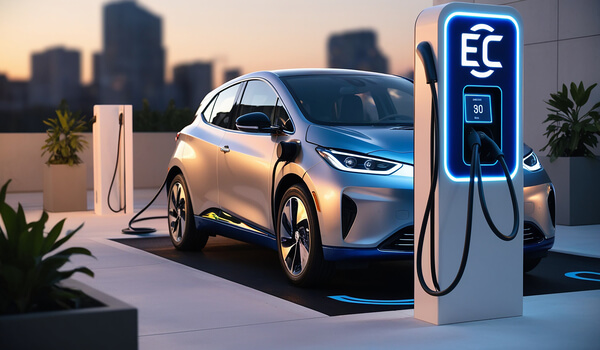
Why EV Loans Are Becoming So Common in India
A few years back, EVs felt like a luxury. Now? They're slowly becoming normal. From what I've seen, three things are driving this shift:
- Petrol prices are unpredictable
- Government support is increasing
- People want lower running costs
Because of this demand, almost all Indian finance companies have started offering EV-specific loans. And honestly, that's a good thing for us—more options mean better deals.
What Exactly is an EV Loan? (Simple Explanation)
Think of it like a normal vehicle loan—but designed specifically for electric vehicles. You can use it to buy:
- Electric scooters
- Electric bikes
- Electric cars
The interesting part is that some EV finance companies in India now offer better terms than regular car loans. Why? Because EV adoption is being pushed heavily.
My Observation: Not All Lenders Are the Same
When I was comparing options, one thing became very clear: every lender looks good on the surface, but the real difference is in the details.
You'll find offers from:
- Banks
- NBFCs
- Private lenders
Many private finance companies in India actually approve loans faster than banks—but sometimes at slightly higher interest. There isn't one perfect option for everyone—it completely comes down to what suits your financial condition and needs best.
Best Finance Company in India – How to Actually Choose
Let's be practical here. Instead of randomly searching for the "best finance company in India," it's smarter to first understand what exactly you're looking for:
-
Do you need fast approval?
If yes → go with NBFC or private lender -
Do you want the lowest interest?
If yes → banks are usually better. -
Is your credit score average?
Then, a private finance company in India might approve you more easily.
If you're looking for a reliable and hassle-free way to finance your electric two-wheeler, you can explore an Electric Two Wheeler Loan that offers quick approval, flexible EMI plans, and minimal documentation. Many users today prefer going with trusted platforms that simplify the loan process and provide competitive interest rates. Choosing the right lender can make a big difference in your overall cost, so it's always a smart move to explore options that are designed specifically for EV buyers and offer a smooth, user-friendly experience.
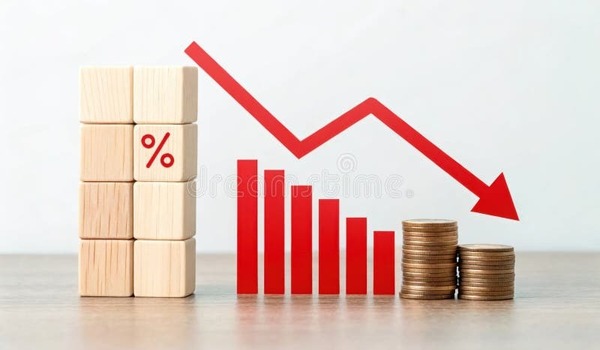
Interest Rates – What You Should Expect in 2026
From what I've researched and seen:
- Banks: Around 7%–10%
- NBFCs: Around 9%–14%
- Some EV finance companies in India: Flexible, depending on profile
Tip: Don't just look at EMI. Always check the total interest you'll pay.
A Small Example (So You Understand Better)
Let's say you buy an EV scooter worth ₹1,20,000.
- Down payment: ₹20,000
- Loan: ₹1,00,000
- Tenure: 3 years
Now, depending on the lender:
- EMI could be ₹3,200 or ₹3,600
- That small difference = thousands of rupees extra
That's why choosing the right all India finance company matters.
Eligibility – Nothing Complicated
Most lenders expect basic things:
- Age between 21–65
- Stable income
- Basic documents
- Decent credit score
But here's something useful: some private finance companies in India don't strictly require a high credit score. So if your CIBIL isn't perfect, don't worry too much.
Documents (Keep It Ready Before Applying)
From my experience, having documents ready speeds things up:
- Aadhaar Card
- PAN Card
- Bank statements
- Income proof
Many lenders now approve loans online, especially newer EV finance companies in India.
Benefits of Taking an EV Loan (Real Talk)
Let's keep it honest—why should you even take a loan?
- You don't block your savings — you can keep your cash for emergencies
- You still get the EV now — no need to wait for years to save money
- Tax benefit only on older loans — Section 80EEB applies just to loans sanctioned before April 2023, so don't count it in a new purchase (our Section 80EEB guide explains who still qualifies)
- Running cost is already low, so EMI doesn't feel too heavy
Government Support (Big Advantage)
This is something many people ignore. You actually get benefits like:
- State incentives — road tax and registration waivers in many states
- Lower GST on EVs, already built into the quoted price
- PM E-DRIVE support for e-rickshaws and e-carts (till March 2028)
Which means your total cost reduces. That's one reason why even the best finance companies in India are pushing EV loans.
Mistakes I've Seen People Make
I'll be honest—most people rush here. Avoid these:
- Choosing the first loan offer
- Ignoring hidden charges
- Not comparing lenders
- Taking a long tenure without thinking
Even the most popular all India finance company may not be the best for YOU.
Future of EV Loans in India (My Take)
Looking at current trends, I feel:
- EV loans will become cheaper
- Approval will become instant
- More specialised EV finance companies in India will enter
So honestly, 2026 is a great time to enter this space.
Final Thoughts (Simple Advice)
If you're serious about buying an EV, don't overcomplicate things. Just do this:
- Compare 2–3 lenders
- Check total cost (not just EMI)
- Pick what fits your budget
There's no single best finance company in India for everyone. The best one is the one that suits YOUR situation.
FAQs
-
Which is the best EV loan provider in India?
There is no single best option; banks and NBFCs both offer competitive EV loans. The right choice depends on your interest rate, eligibility, and approval speed.
-
Can I get 100% financing for an EV?
Yes, some lenders and All India Finance Company options offer up to 100% funding. However, approval depends on your income and credit profile.
-
Are EV loan interest rates lower than car loans?
In many cases, EV loans have slightly lower rates due to government support. Some EV finance companies in India also provide special green financing offers.
-
What credit score is required for EV loans?
A score above 700 is generally preferred for better rates. Still, some private finance companies in India approve loans with lower scores.
-
Is EV loan interest tax-deductible?
Only for loans sanctioned between April 2019 and March 2023. Those older EV loans can still claim up to ₹1.5 lakh of interest a year under Section 80EEB (old tax regime only). New loans in 2026 do not qualify — see our Section 80EEB guide.
This might catch your interest