Home Loan Down Payment: How Much You Really Need, and Why More Saves You More
Lakshay Khanna·02 July 2026
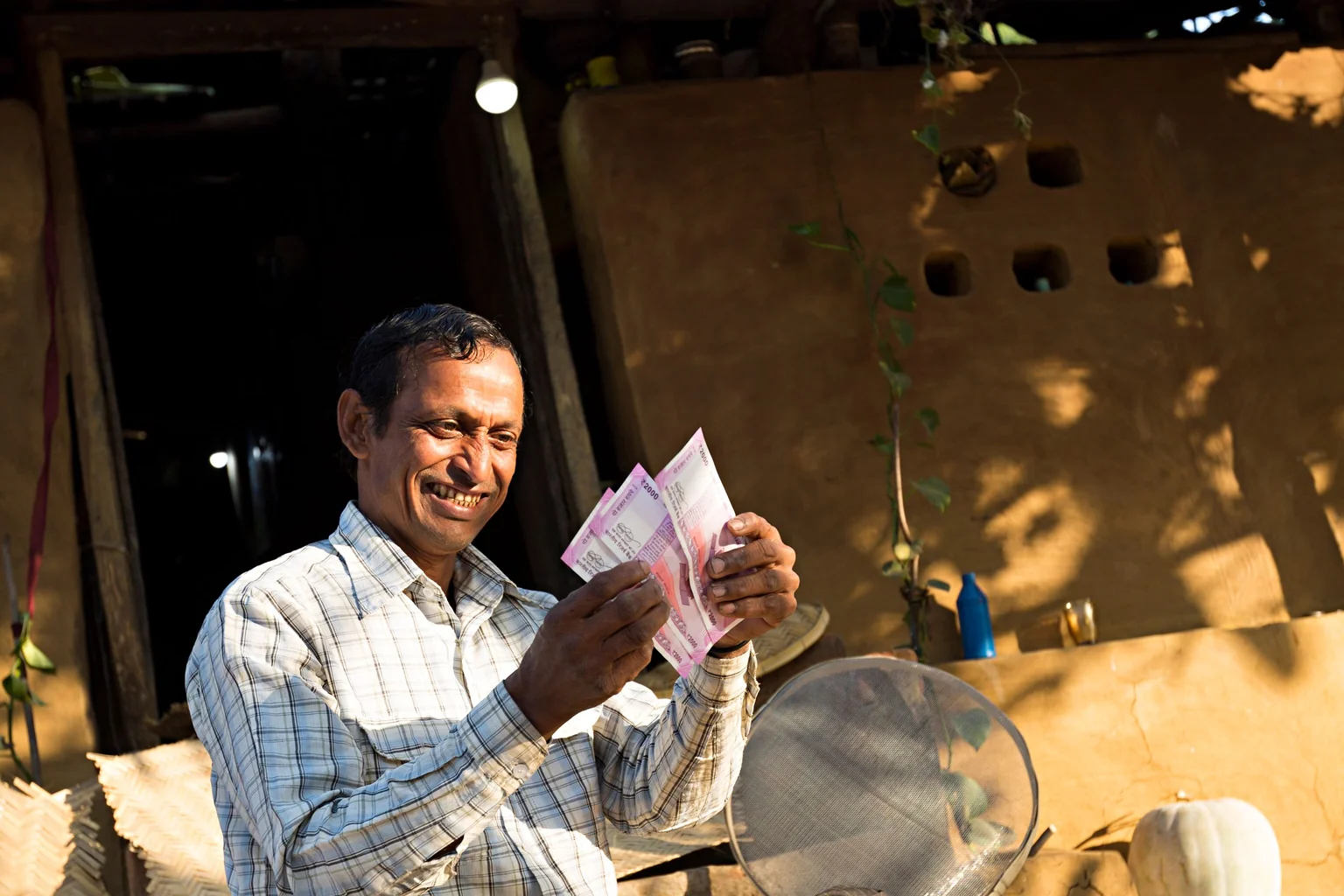
My neighbour Harpreet bought a flat in Jalandhar two years ago. Sharp guy. Runs a tiles business. Careful with money everywhere else in his life.
But on the home loan, he wanted the smallest down payment possible. He liked the idea of keeping cash in hand. Minimum down, finance the rest. The bank was happy to do it.
One evening over chai I asked him a simple question. Did he know what that choice would cost him over the life of the loan?
He didn't. So we sat down with his actual numbers. On his flat, over a twenty-year loan, the difference between his small down payment and a bigger one came to several lakh in extra interest. Not thousands. Lakh. The small down payment felt light for one afternoon. Then it quietly billed him for twenty years.
That's the part everyone misses. People ask "how little can I put down?" The smarter question is "how much should I put down so I'm not bleeding interest for two decades?" Let me walk you through it the way I walked Harpreet through it.
Not sure how much to put down?
Credifin will tell you honestly where a bigger home loan down payment saves you lakhs, and where keeping cash in hand is smarter. Online application, decision in 3 to 7 days.
Explore Home Loans →What a down payment actually is
Nothing complicated. The lender doesn't pay the full price of what you're buying. They cover a big slice. You cover the rest upfront. That upfront part is your down payment.
For a home loan, the lender funds most of the property value. You pay the smaller share that's left. The exact split depends on the lender and your profile. The rule never changes though. The less you put down, the more you borrow. And the more you borrow, the more interest piles up on top.
Why a bigger down payment saves so much
Here's the bit that surprises people. Interest isn't charged on the price of the flat. It's charged on the amount you borrow. So every rupee you add to the down payment is a rupee you never pay interest on. Year after year. For the whole loan.
Look at the shape of it on the same flat and the same loan period.
| Your down payment | Loan you take | Your EMI | Total interest |
|---|---|---|---|
| Small | Largest | Highest | Highest |
| Medium | Smaller | Lower | Clearly lower |
| Large | Smallest | Lowest | Lowest by far |
It looks obvious laid out like this. Yet most people still grab the smallest down payment because it's easier today. The column that quietly hurts them is the last one. Same flat. Same lender. Same tenure. The only thing that moved was the down payment. And it changed the total cost by lakhs.
It isn't only interest either. A bigger down payment shrinks your EMI. That means more breathing room every month. And less stress the first time a bad month shows up. The same logic applies to any big borrowing, which is why we lay it out on our EV down payment guide too.
It also helps you get approved
This part gets ignored. It shouldn't. A bigger down payment doesn't just save money later. It makes the lender more comfortable saying yes in the first place. Look at it from their side.
| Smaller down payment | Larger down payment |
|---|---|
| Lender carries most of the risk | You share the risk |
| Your file looks borderline | Your file looks safer |
| Rate offered tends to be higher | Rate offered can come down |
| Approval less certain | Approval more likely |
A borrower who puts down a real amount has skin in the game. And someone with skin in the game doesn't walk away easily. Lenders price exactly that. So your down payment works for you twice. Once on your chances of approval. Once on the rate you're offered. A clean credit history compounds the effect, so it is worth reading how to improve your CIBIL score before you apply.
So what's the ideal down payment?
There's no single magic number. Anyone who gives you one is usually selling something. But here's how I'd think about it. For a home loan, put down a solid share rather than the bare minimum, if you can manage it.
There's a sweet spot. Your interest saving is real. Your EMI is comfortable. And you're not draining every last rupee to get there. Go too low and the interest cost climbs fast. Go too high and you may be better off keeping some cash for emergencies instead of locking it all into the flat.
My honest rule for anyone: put down as much as you comfortably can, without emptying your emergency fund. Not a rupee more. Not a rupee less.
If the property is strong but your savings are thin, a loan against property or a co-borrower can change the maths — worth weighing before you stretch on the down payment.
The one mistake to avoid
Don't drain yourself for a huge down payment and leave nothing in the bank. I've watched people pour every saving into it. They feel great for a month. Then a medical bill or a slow business quarter shows up, and they panic. A loan you can't cushion is worse than a slightly bigger one you can.
Keep three to six months of expenses aside as a buffer. Whatever sits above that buffer is your down payment money. That one habit saves more grief than any interest calculation ever will.
Back to Harpreet
He didn't have a time machine. The flat was already bought at the minimum down. But the chai conversation changed what he did next.
A year later he financed a delivery vehicle for the business. This time he put down a much healthier share — the same down-payment maths applies to a vehicle. Smaller loan. Lower EMI. Far less interest over the tenure. He told me the monthly figure felt so light he barely noticed it leaving his account.
"Pehli baar mein samajh aata toh ghar pe bhi yehi karta." If he'd understood it the first time, he'd have done the same on the flat. Now he knows.
That's all I want you to take from this. The down payment isn't an annoying hurdle before the real loan. It's the single biggest lever you control over what the loan costs you. Get it right and you save lakhs without doing anything clever. And don't forget the offsetting benefits — a home loan also earns you tax relief on interest and principal, worth checking on the Income Tax Department portal, while first-time buyers should check eligibility for the PMAY subsidy, which lowers the amount you finance in the first place.
Where Credifin fits
We finance homes, vehicles, EVs and more across India. The down payment conversation is one we'd rather have upfront than watch you overpay for years. We'll tell you honestly what makes sense for your profile. Where a bigger down payment genuinely helps you. And where putting in less and keeping cash in hand is the smarter call. The application is online. The decision lands in 3 to 7 working days. The guidance is straight. If you're buying in a metro, our city guides for a home loan in Noida and a home loan in Jalandhar walk through local rates and paperwork.
Bottom line
A home loan down payment is not just the price of entry. It quietly decides your EMI, your total interest, your approval odds, and your rate. All at once. A bigger one means a smaller loan. Which means less interest every year for the whole tenure. On a home loan, that saving runs into lakhs.
Aim for a healthy share rather than the minimum, if you can. Keep your emergency buffer first. Then put down as much as you comfortably can beyond it. And let the maths work quietly in your favour for twenty years.
Talk to Credifin
Credifin is an RBI-registered NBFC financing homes, property and vehicles across India — with straight guidance on how much to put down for your profile.
079651-74500 | info@credif.in
Find your nearest branch →
FAQs
How much down payment do I need for a home loan?
The lender funds most of the property value, so you cover the smaller share upfront. A healthy share rather than the bare minimum is the right target for most buyers.
Does a bigger down payment really save money?
Yes, a lot. Interest is charged on what you borrow. A bigger down payment means a smaller loan and less interest every year for the full tenure. On a home loan the saving can run into lakhs.
Can a higher down payment get me a better rate?
Often, yes. It lowers the lender's risk, which can bring your rate down and improve your chances of approval.
Should I put down as much as possible?
Up to a point. Keep three to six months of expenses as an emergency buffer first. Then put down what you can comfortably spare beyond that.
Is a low down payment ever the smart choice?
Yes. When keeping cash in hand matters more than the interest saving, or when the financing terms are very good. It's a trade-off, not a rule.
What happens to my EMI if I increase the down payment?
It drops. A bigger down payment means a smaller loan, which lowers both your monthly EMI and the total interest you pay.
Buying a home?
Get a straight read on your down payment, EMI and rate from Credifin. We assess your real profile, not just a checklist. Online application, decision in 3 to 7 days, across India.
Explore Home Loans