Panipat Battlefields
Historic site of three major battles that shaped Indian history, attracting history buffs and tourists.
Panipat’s reputation as the “City of Weavers” fuels credit demand from small-scale carpet, rug, and curtain manufacturers needing raw material, loom maintenance, and export packaging finance.
Local dyeing units and handloom setups across Sanoli Road and Industrial Estate require loans for color stock, water treatment setups, and labor payments.
Vendors near Panipat Museum and historic battlefields seek microloans for souvenir stock, local handicrafts, and seasonal tourist inflow readiness.
From Devi Mandir Road to Model Town, women running tailoring shops and boutique businesses need funding for sewing machines, festive fabric stock, and minor shop renovations.
With its textile and grain market trade routes, small goods carriers and tempo operators seek loans for vehicle maintenance, tire replacements, and diesel expenses.
Expanding colonies near HUDA Sector 25 and Samalkha Road drive steady demand for registry loans, basic house construction credit, and room-extension microfinance.
Historic site of three major battles that shaped Indian history, attracting history buffs and tourists.
A dedicated museum showcasing artifacts, weapons, and historical displays related to the Panipat battles.
A 16th-century mosque built by Babur after the First Battle of Panipat, known for its Mughal architecture.
An iconic Mughal-era gate that stands as a symbol of Panipat’s architectural heritage.
A revered Sufi saint’s tomb, attracting devotees from across North India for spiritual visits.
One of the oldest temples in Panipat, dedicated to Goddess Durga and popular during Navratri festivals.
Textile manufacturers, tourism vendors, and women entrepreneurs drive the demand for diverse loans, including working capital and microfinance.
Growing urbanization and expanding industries fuel both housing and small-scale business loans.
Transportation and construction loans are key sectors that continue to show steady growth.
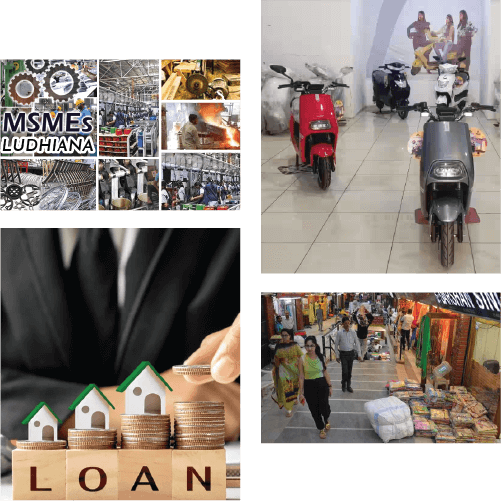
Textile units, dyeing workshops, and plastic manufacturing needing production and material loans.
Women-led boutiques, stitching units, and small eateries seeking microloans.
Plot buyers, small builders, and home renovators tapping housing credit.
Coaching centers, bookstores, and education-related borrowers needing setup and inventory funds.