Is Inflation Causing Interest Rates to Rise in India? The Honest Answer
Lakshay Khanna·17 October 2026
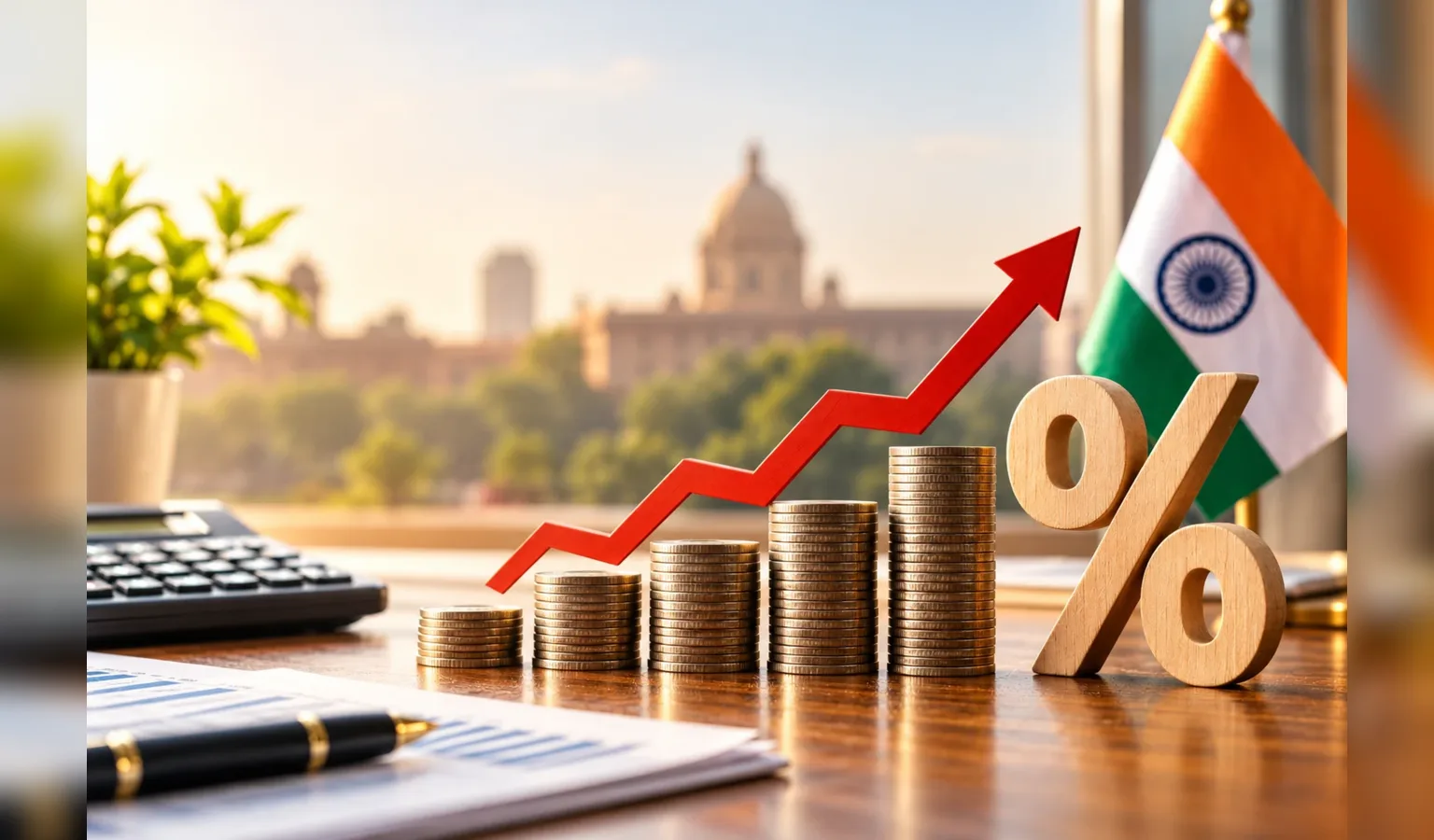
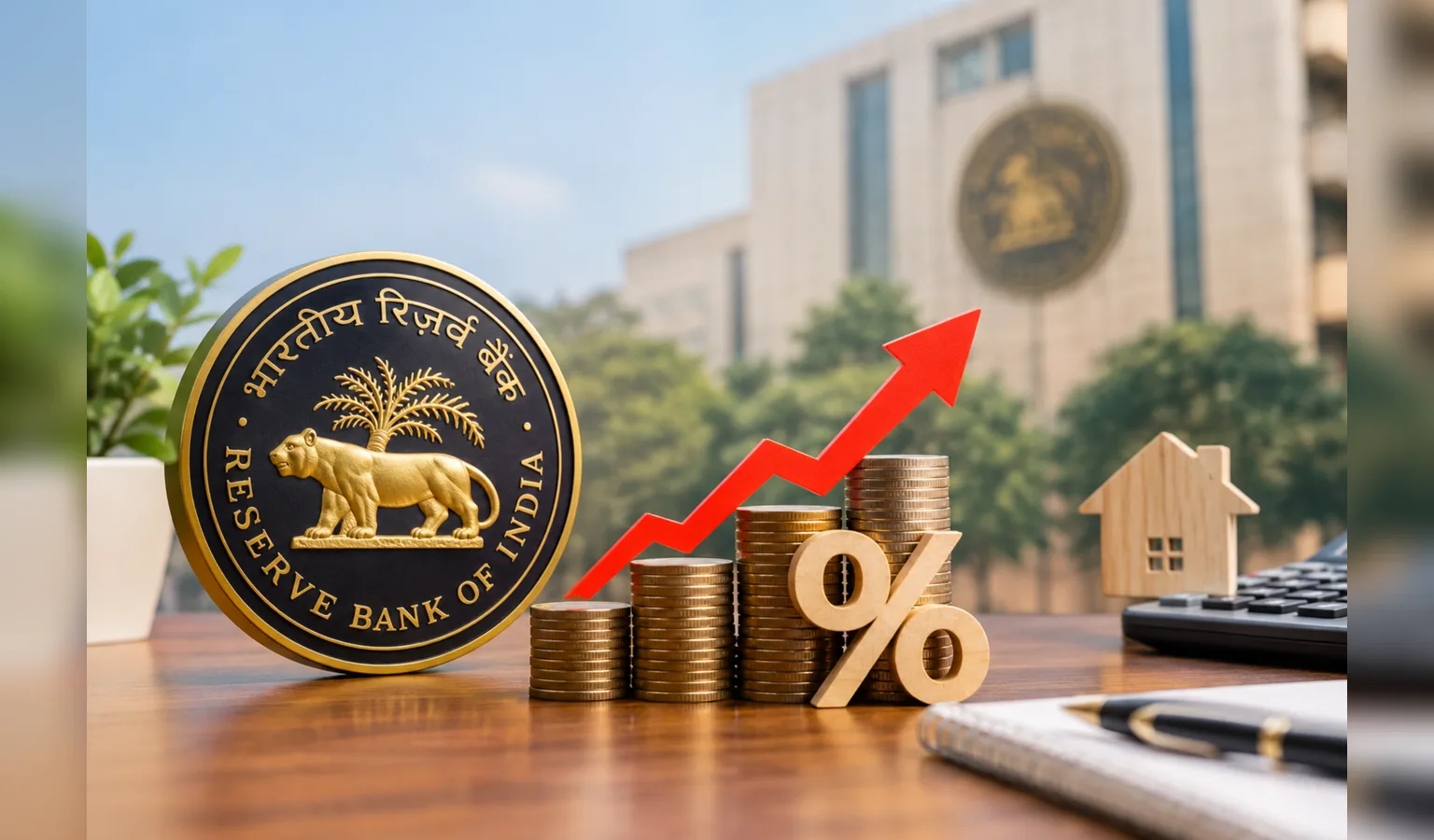
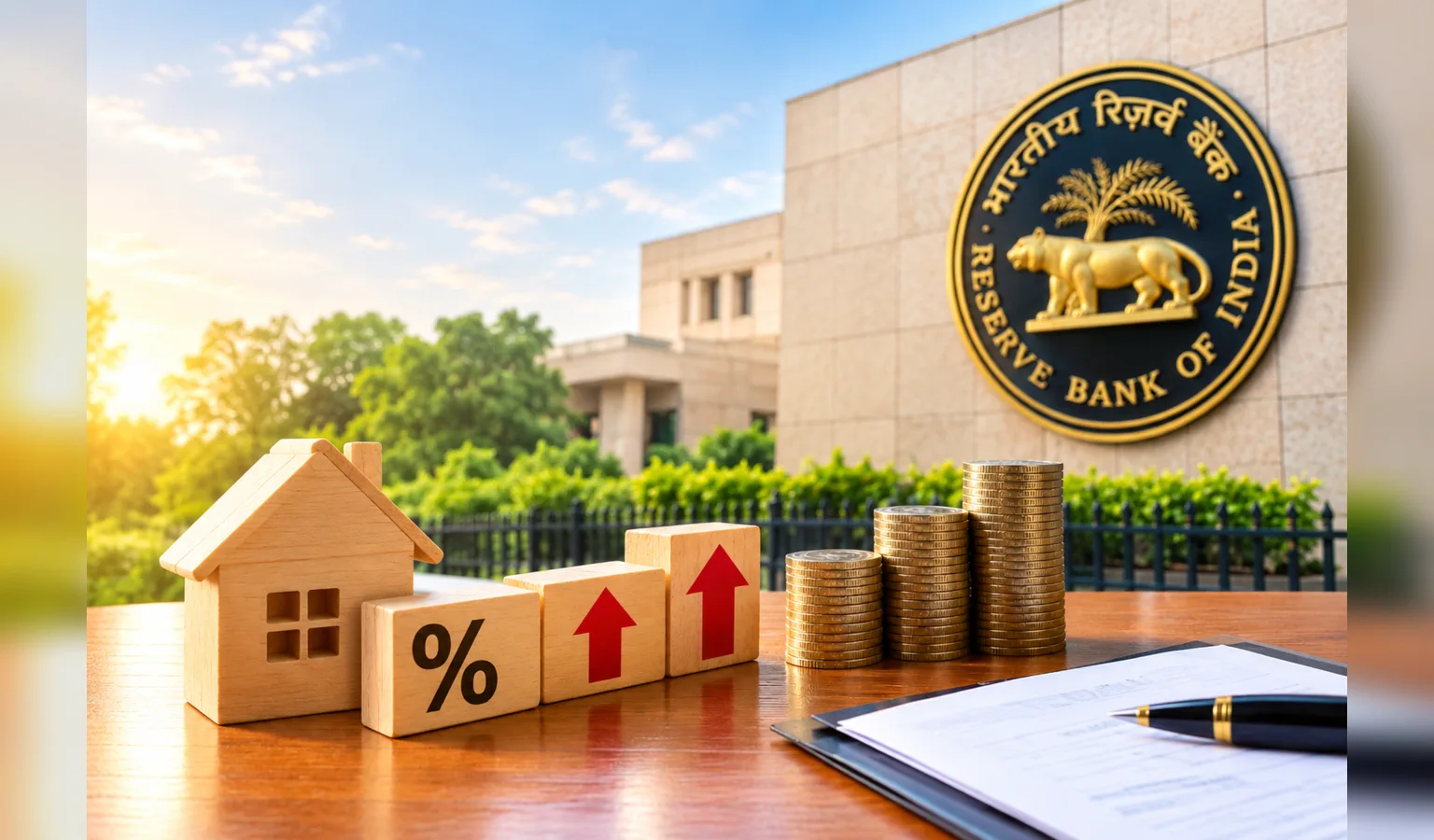
Short answer: yes, mostly. Retail inflation in India rose to 5.54% in September 2026, its highest in almost two years, and the RBI responded by raising the repo rate to 5.50% on 7 October. When the repo goes up, floating loan rates follow. But the full picture is a bit more interesting than "prices up, rates up".
Everyone has felt the mehngai part this year. Onions went from something nobody thought about to a dinner-table topic. Restaurant bills crept up. What fewer people connect is that the same price rise is now showing up in their home loan statement.
So let me walk through how that link actually works.
The numbers first
Here's what the September inflation data showed:
India CPI inflation, August vs September 2026
| Measure | August 2026 | September 2026 |
|---|---|---|
| Retail (CPI) inflation | 4.83% | 5.54% |
| Food inflation | 5.97% | 7.74% |
| Rural inflation | 5.24% | 6.08% |
| Urban inflation | 4.31% | 4.88% |
A few things stand out. Inflation has risen every month since April. Onion prices were up about 108% on a year ago. Rural inflation crossed 6%, the top of the RBI's comfort band, and food was the main driver in both the rural and urban baskets.
The RBI's target is 4%, with a tolerance band from 2% to 6%. We're still inside the band, but well above the middle of it, and moving in the wrong direction.
How inflation pushes interest rates up
The RBI's main job, by law, is to keep inflation near 4%. Its main tool is the repo rate.
Here's how the chain works in practice:
It's a slow, blunt tool. But it's the main one the RBI has.
The "real rate" problem
This is the part that, to me, explains the timing best.
Before October, the repo rate was 5.25%. September inflation was 5.54%.
Subtract one from the other and the real interest rate, meaning what borrowing costs once you account for rising prices, was slightly negative.
A negative real rate means borrowing money is effectively cheaper than the rate at which prices are rising. That encourages more borrowing and spending, which can push prices up further. Central banks generally don't like sitting there for long when inflation is above target. The October hike to 5.50% brings the real rate back to around zero.
The decision itself, and what the RBI actually announced, is covered in the October 2026 repo rate hike explained.
But can a rate hike bring down onion prices?
Honestly, not directly. And this is where the simple story gets more complicated.
A lot of this year's inflation is food, and food prices in India swing with weather, crop damage, storage and transport. A higher repo rate doesn't make onions grow faster.
So why hike at all? Two reasons.
First, the worry is that high food prices spread. When food and fuel stay expensive for months, workers ask for higher wages, restaurants raise menu prices, transporters raise freight charges, and soon prices of everything else start rising. Economists call this inflation becoming "generalised". Core inflation, which leaves out food and fuel, was estimated to have risen to about 4.6% in September from 4.2% in August. That's an early sign of spreading.
Second, expectations matter. If people and businesses start believing prices will keep rising fast, they behave in ways that make it happen. A rate hike signals that the RBI is paying attention, which on its own helps keep those expectations in check.
The RBI also pointed to rising crude oil prices and weather risks in its October statement. Those are outside its control too, but they feed into the same worry.
Borrowing while rates are moving?
A Credifin loan officer will tell you what your numbers look like today, not what a headline says. Across 14 states, and the call is free.
Check your eligibility →Will interest rates keep going up?
Nobody can tell you that for sure, and you should be wary of anyone who claims to.
What we know: the RBI changed its stance to "calibrated tightening", which means the next move is more likely up than down, but one meeting at a time. The next decision is on 4 December 2026. October inflation data comes out around 12 November, and that number will matter a lot.
If food prices cool, which can happen fast once a new crop arrives, the RBI may hold at 5.50%. If inflation keeps rising and starts spreading into other prices, another 0.25% in December is a real possibility.
For context, in 2022 the RBI raised the repo by 2.5 percentage points within a year. Nothing in the October statement suggests anything like that now. Growth is strong and inflation is still inside the band.
What this means for your money
If you have a floating loan: expect your rate to go up 0.25% at the next reset, and possibly a little more if December brings another hike. Choose a higher EMI over a longer tenure when your bank asks. I've put loan-by-loan numbers in will your loan interest rate change after the repo hike.
If you're planning a loan: don't panic-borrow to beat the next meeting, and don't wait forever for rates to fall either. Rate cuts look unlikely in the next few months. Pick the right loan type first. Our guide on fixed vs floating vs hybrid rates helps with that.
If you have savings: FD rates usually rise a few weeks after a repo hike. But remember the real-rate idea works for savers too. A 6.5% FD with 5.5% inflation only grows your buying power by about 1%.
If you run a small business: costs are rising on both sides, inputs and borrowing. Lock in working capital while lenders are still comfortable, and keep your bank statements clean, because underwriters get stricter when rates are rising. Credifin's business loans are built for owners whose income doesn't show up neatly on paper.
FAQs
Is inflation the reason RBI raised the repo rate in October 2026?
Yes, it's the main reason. Retail inflation reached 5.54% in September and had been above the 4% target for four straight months. The RBI also cited crude oil prices and weather risks.
Why does high inflation lead to higher interest rates?
Because the RBI raises the repo rate to slow borrowing and spending, which reduces pressure on prices. Banks then pass the higher repo rate on to loan rates.
Can a repo rate hike reduce food inflation?
Not directly, since food prices depend largely on supply and weather. The hike is meant to stop food inflation spreading into wages and other prices, and to keep people's inflation expectations in check.
What is the RBI's inflation target?
4%, with a tolerance band of 2% to 6%.
Will interest rates rise again in December 2026?
It depends mainly on October and November inflation. The RBI has said it will decide one meeting at a time. The next decision is on 4 December 2026.
Thinking about a loan while rates are moving?
A Credifin loan officer can help you figure out whether now is a good time for a home loan or business loan, and which rate type suits you. We're in 14 states.
Ready when you are
Home loans, business loans and vehicle finance across 14 states, assessed on your real numbers.
Check your eligibility →Talk to Credifin
Credifin is an RBI-registered NBFC lending across 14 states and 200+ locations. CRISIL BBB- / Stable.
079651-74500 | info@credif.in
Find your nearest branch →
Credifin Limited is an RBI-registered NBFC, CRISIL BBB-/Stable. Loans at the sole discretion of the company. Inflation figures are from MoSPI's provisional September 2026 CPI release; core inflation is an ICRA estimate. This article is general information, not financial advice.
This might catch your interest